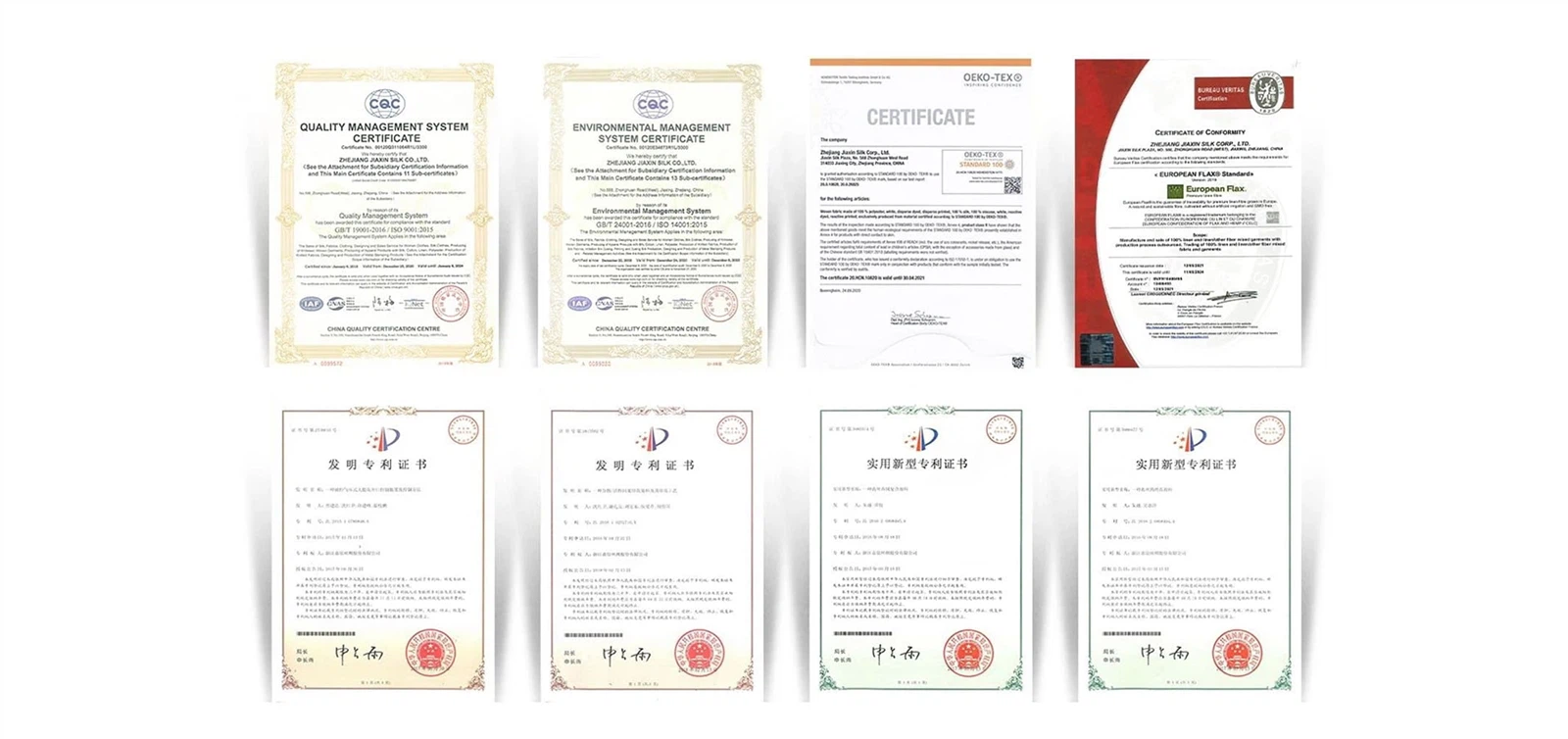
How to ensure fabric quality
To ensure high quality fabrics. Our quality inspectors will conduct 100% inspection of the fabrics. In addition, we will submit an inspection report based on the US four-point system before each shipment. In this system, we inspect at least 10% of the total rolls of the goods. Make sure to select at least one roll or each color. The defect classification works as follows.
The length of the defect is used to determine the scoring points. Only major defects are considered. (A major defect is any defect found in the finished garment that can classify the garment as defective.) For minor defects, no penalty points are recorded or assigned.
• The main woven fabric defects are laminae, holes, missing yarns, obvious yarn variations, ends falling off, soiled yarns, and wrong yarns.
• The main defects of knitted fabrics are mixed yarns, yarn flow changes, needle lines, horizontal ribs, slubs, and hole pressure.
• The main dye or printing defects are registration, dye spots, machine stops, color migration, color stains, or shadows.
The acceptable scores vary. Many companies use 40 points per 100 yards as the acceptable defective rate. However, others may find this unacceptable... (you should tell us)
Here is some math.
Total yards received: 6750 square yards (5400 wide, 1.25 yards)
Acceptance score: 35 points per 100 square yards
Total yards inspected: 675 square yards (540 wide, 1.25 yards)
Total penalty points found in sample inspection: 150 points
150 divided by 675 times 100 = 22.22 points per 100 square yards (since the allowance is 35 points per 100 square yards, this shipment is acceptable).
If the inspector does not cut major defects from the fabric, mark the selvedge (e.g. with colored thread). Defects can be easily located on the inspection machine if you later want to review the defects with the piece representative. In addition, these defects can be easily noticed by the spreader so that they can be cut out.