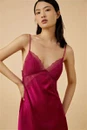
There are many different types of fabrics, both natural and synthetic. One of the most popular materials, and in some cases, often misunderstood fabrics is viscose or rayon.
Below, we'll look at some of the key aspects of viscose and explore its use in garment manufacturing.
Viscose printing
What is viscose and where did it originate?
Viscose or rayon fabric is a semi-synthetic material that was first produced in 1883. It was originally used as a substitute for silk due to its drape and similar texture.
What is the viscose material made of?
Viscose is made from wood pulp, usually from trees such as pine, beech and eucalyptus. The manufacturing process for viscose involves dissolving wood into a pulp solution, which is then washed, cleaned and bleached. The solution is processed again to produce fibers. The fiber is processed again to form regenerated cellulose, which is spun into yarn for textile manufacturing.
Is viscose a natural material?
Viscose fabric is made from natural wood, while the yarn uses chemicals such as carbon disulfide and sodium hydroxide, making it a semi-synthetic material.
Viscose - pros and cons
Viscose has long been used as an excellent substitute for silk. It is cheaper to produce and blends well with other fabrics. Its lightweight composition drapes beautifully and has a soft texture, making it ideal for clothing.
Here, we explore the pros and cons of this versatile fabric:
Characteristics and advantages of viscose:
light
breathable
curtain
keep shape
water absorption
comfortable
soft texture
durable
Inexpensive
Great for blending with other fabrics
Other slightly less positive properties of viscose fabric:
may shrink after washing
Material may weaken when wet
wrinkle easily
Fibers may weaken from exposure to light
While viscose has some downsides, the benefits outweigh these, especially if the material is washed and cared for properly. However, one of the most important talking points about viscose, and possibly one of the most important factors when choosing this material for clothing, comes down to its impact on the planet.
plain viscose
Is viscose environmentally friendly?
The question - "How sustainable is viscose?" can be difficult to answer. Viscose is made from natural wood pulp. However, the chemicals used to extract wood pulp to make yarn can be harmful to the planet. Therefore, it is called a semi-synthetic fabric.
In recent years, viscose manufacturers are taking steps to improve the production of this material and use cleaner methods throughout the process. FSC certified forests also play a role in providing sustainably managed resources. Newer versions of viscose, such as Lyocell, are a sustainable fabric choice.
Another advantage of viscose is that it is biodegradable.
What types of clothing are made with viscose fabrics?
Viscose is a popular choice in garment production due to its versatility and texture. Its silky feel is perfect for styling viscose dresses, including flowy viscose maxi dresses.
The look of the viscose material makes it ideal for both casual and formal wear, such as viscose shirts and viscose pants.
Viscose is also highly absorbent, making it an ideal material for activewear, such as viscose leggings and track tops.
Many clothing manufacturers use viscose in their summer collections because of its light, breathable and breathable properties.
How does viscose compare to other fabrics?
Take a look at some of the notable differences between viscose and other fabrics.
Viscose vs Polyester - What is the Difference Between Viscose and Polyester?
Many people think of polyester and viscose as similar fabrics. However, there are some notable differences between the two.
Polyester is a synthetic fabric. In contrast, viscose is made from natural fibers and synthetic chemicals and is therefore semi-synthetic.
Polyester is less likely to wrinkle and dries faster.
Polyester is stronger than viscose.
Polyester does not shrink.
Viscose is more prone to pilling than polyester.
Viscose vs Cotton - What is the Difference Between Viscose and Cotton?
Both viscose and cotton are made from natural resources, but there are some differences between these materials:
Cotton is more expensive to produce than viscose.
Viscose is weak compared to cotton, especially if the material is wet.
Viscose is easier to stain.
Viscose drapes better than cotton.
More production steps and chemicals are used in the production of viscose than cotton.
What to Consider Before Buying Viscose Fabrics
When purchasing any fabric, there are many considerations to make the best choice, and viscose is no exception. Take a look at some of the main areas to explore:
The quality of viscose fabric
Viscose is a soft, lightweight fabric that is generally comfortable next to the skin. The material is durable and suitable for many types of clothing, including dresses, shirts and pants.
Color fastness
Viscose fabric is easy to dye and retains color.
Shrinkage
Every fabric shrinks differently, and one of the disadvantages of viscose is that it may shrink after washing. When shopping for viscose, consider buying extra fabric or preshrunk options.
Washing Viscose and Care Instructions
Viscose is a fabric that requires special care when washing. In general, most viscose garments can only be hand washed or dry cleaned due to the delicate fibers.
The future of viscose fabrics
Viscose is a popular and inexpensive method of producing different types of garments. While there are some questions surrounding its production and long-term sustainability as a fabric choice, many apparel producers are taking steps to create cleaner and greener processes.
As a fabric, it's versatile and lightweight, making it ideal for clothing. Plus, its similarity to silk creates an affordable yet luxurious alternative.
The study also shows that the market is projected to grow at 4% during the period 2021-2026, with key market trends pointing to increasing demand for woven fibers as a natural and biodegradable alternative to synthetic materials.
Viscose FAQs
Is the glue elastic?
Viscose fabric has no stretch or elasticity. However, you can mix it with other materials like elastane for flexible combinations.
Is the viscose breathable?
Yes. Viscose is a breathable material, perfect for summer clothing.
Does the glue make you sweat?
Viscose is a lightweight, breathable material that doesn't trap heat, so that should help reduce sweating.
Can the viscose be dyed?
Yes. Viscose is made from natural fibers so it can be dyed.
Will the glue wrinkle?
Viscose is a delicate fabric that wrinkles easily. It is recommended to iron viscose on low or silk setting.
Is goo vegan?
Viscose is technically vegan because it is made from wood pulp, a natural resource. However, some manufacturers use synthetic chemicals that may be harmful to the environment.