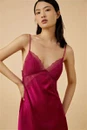
Special Properties of Silk: Knowing these things about the properties of silk will give you a silky smooth feeling.
Whether you're luxuriating in silk sheets or playing with your favorite silk scarf, the feel of silk against your skin is unparalleled. To understand why you'll fall in love with this smooth and luxurious fabric, let's take a look at silk's properties.
Silk properties
Strength is one of the most interesting properties of silk. At first glance, you might be fooled into thinking that silk is fragile, but it is actually one of the strongest fabrics. It may be elegant and gentle on your skin, but there's power behind the shine.
Part of this strength comes from the length of the fiber. Cotton and linen are made from short plant fibers that are spun together to make longer threads. Silk is grown from the cocoons of mulberry silkworm larvae - they can spin a long, continuous thread. The process is time-consuming and delicate, which explains the fabric's high cost. You can't pull a piece of silk into its constituent fibers like cotton.
Of course, the properties of silk fiber go far beyond strength, such as:
Breathability. Silk is a lightweight, breathable fabric, which means it reduces the risk of overheating in your daily life.
elasticity. Silk clothing retains its shape very well if treated properly. Silk is pliable and has some elasticity, which allows it to return to its original shape to some extent after being stretched. Don't stretch the silk unnecessarily or you may overdo it.
Water absorbent. Silk absorbs water quite well. However, water can weaken the fiber, so be careful when washing silk. Cleanipedia offers some helpful advice. If you use fabric softener, you'll want something mild like Comfort Pure, and you should always check the washing instructions on the item's label.
Thermal regulation. Silk is good at retaining body heat, which means it can help you feel cool in hot weather and warm in cold weather. If you want a fabric that is both thin and warm, silk is the way to go.
Drying speed. Silk dries quickly, which makes it very practical when doing laundry or running daily errands.
luster. Silk fibers are smooth and straight, unlike wool, which appears scaly if placed under a microscope. This difference makes the silk feel smoother and visually shinier, giving it a luxurious feel.
Different types of silk fabrics
Silk is the only continuous natural fiber and, like wool, is a protein fiber. The structure of silk depends on the source of the fiber, usually China or India. The silk used in clothing is usually artificially cultivated "raw silk", consisting of two smooth and transparent silk rods with a triangular cross-section (this gives the silk its unique luster and soft feel - it makes a swishy sound when rubbed with your fingers) sound!). Wild silk (tussah silk) has a different appearance (coarse, thicker, flatter, wider, fine lines on the surface). All of these properties combine to create silk's lustrous look, excellent drape, and luxurious feel.
Of course, the properties of silk depend on the type of silk fabric you use. Here are some common types of silk materials you may encounter. Some of these fabrics can also be made from polyester or nylon as a more affordable alternative.
The chiffon is translucent, very light and fun to wave. But it needs tender care.
Crepe de chine is a textured fabric that feels slightly rough. It's less reflective than many silks, so if you don't like the shine and smoothness of other silk fabrics, crepe de chine is a good choice. It's so versatile that it can be used to make everything from pants to underwear.
Crepe de chine is a dense, lustrous silk fabric that is slightly heavier than some types of silk. It is often used to make formal wear. It is sometimes woven with multiple colored threads to create a rainbow-like effect. If you have a silk jacket that looks blue from some angles and green from others, it's probably crepe de chine.
Habu obi is a simple silk braid originating from Japan. It is often used to make linings.
Organza is a sheer fabric that is very thin and is used for evening wear.
Charmius is a type of satin, which means it is woven in a special way that gives it an eye-catching sheen. It's soft, loose and easy to move around. Perfect for evening wear.
Taffeta holds its shape better than many types of silk fabrics, which makes it suitable for delicate ball gowns and even wedding dresses.
Velvet made from pure silk is hard to find, so you're more likely to find it mixed with rayon. The pile of velvet feels very soft, and its color sometimes changes depending on whether you rub it against or against the grain. Give it a try; it's fun!
Silk is an incredible fabric. It's lightweight and eye-catching, and silk's many alluring properties mean it feels great to wear. With so many types of silk fabrics to choose from, you're sure to find one that suits your taste.