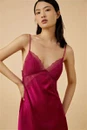
Starting a clothing brand is an exciting venture that combines creative expression with entrepreneurial spirit. In today's competitive fashion landscape, successful clothing companies balance innovative design with solid business strategies. Whether you're an aspiring designer or a fashion enthusiast, this guide will walk you through five essential tips for launching your brand, along with crucial garment care advice to ensure your creations maintain their quality over time.
1. Build a Strong Brand Identity and Business Foundation
Before sketching designs or sourcing fabrics, you need to establish a clear brand identity and business structure. This foundation will guide all your future decisions and help you stand out in a crowded marketplace.
Define Your Niche and Target Audience
Identify a specific market segment that aligns with your vision and expertise. Are you focusing on sustainable fashion, streetwear, plus-size clothing, or athleisure? A clearly defined niche helps you target your marketing effectively and create designs that resonate with a specific audience.
Understanding your ideal customer is crucial-create detailed buyer personas that cover demographics, lifestyle, and purchasing habits. This knowledge will inform everything from product development to marketing strategies.
Develop Your Brand Story and Visual Identity
Create a compelling brand narrative that communicates your values, mission, and what makes your brand unique. Your brand name should be memorable and relevant to your niche, and you must check for trademark availability before committing to it.
Your visual identity, including logo and design elements, should reflect your brand's personality consistently across all platforms. As fashion entrepreneur Phil Dith emphasizes, "Being unique and memorable is key in branding," and your logo should be distinctive enough that customers can recall it easily.
Establish Your Business Structure
Treat your fashion venture as a legitimate business from the start. Choose an appropriate legal structure for your clothing company to protect your personal assets and manage taxes effectively. Options include sole proprietorship, partnership, LLC, and corporation-consult with a business professional to determine the best fit for your circumstances.
Develop a comprehensive business plan that outlines your target market, brand positioning, sales strategies, and financial projections. This document is essential for attracting investors and guiding your growth.

2. Master Design Development and Strategic Sourcing
Transforming your creative vision into tangible products requires both artistic skill and practical knowledge about materials and manufacturing.
Hone Your Design Skills
Even without formal fashion education, you can develop your design capabilities through various channels. Many renowned designers are largely self-taught, and in today's digital age, you can learn basic tailoring skills through online platforms.
Sarah Donofrio, a successful clothing designer and entrepreneur, recommends carrying a sketchbook everywhere you go. "When I sketch," she says, "I often discover that a small drawing can be transformed into a repeating pattern".
Source Quality Materials and Manufacturing
Finding reliable suppliers is essential for producing high-quality clothing. Consider factors such as fabric quality, manufacturing costs, ethical sourcing practices, and minimum order quantities (MOQs) when selecting partners.
For those without established industry connections, Sarah Donofrio notes that "it's becoming increasingly easier to shop for fabrics online from around the world," though she acknowledges the challenges of limited local options in some markets.
Always request samples before committing to a manufacturer. While samples can be expensive, some manufacturers may deduct these costs from your first order.
Case Study: Leveraging Established Expertise
When building your supply chain, consider partnering with established manufacturers who can provide quality assurance. Companies like Jiaxing Silk, which operates comprehensive facilities from fabric production to garment manufacturing, offer valuable expertise for emerging brands. With provincial-level technology centers and recognition as a national high-tech enterprise, such partners bring technical capabilities that can enhance your product quality.
3. Implement Effective Production and Quality Control
Turning designs into market-ready products requires careful planning and attention to detail throughout the production process.
Create Prototypes and Samples
Before mass production, create prototypes of your designs to test fit, comfort, and durability. This step allows you to identify and address potential issues before committing to larger quantities.
If you're working with a manufacturer, providing them with handcrafted samples helps you understand what's needed for mass production and may even give you negotiating leverage.
Choose Your Production Method
Select a manufacturing approach that aligns with your business scale and model:
Handmade items: Ideal for small batches or unique pieces sold directly to consumers
Manufacturer collaboration: Working with producers who create your clothing line to be wholesaled to retailers
Print-on-demand: Designing repeating patterns or graphics printed on demand on blank garments
Maintain Strict Quality Control
Implement rigorous quality checks throughout production to protect your brand's reputation. This includes monitoring manufacturing processes, conducting random inspections, and carefully checking products upon receipt before shipping to customers.
4. Develop Compelling Marketing and Sales Strategies
Even the most outstanding designs won't sell themselves. Building awareness and converting interest into sales requires strategic marketing and multiple sales channels.
Build a Strong Online Presence
In today's digital landscape, a professional website is essential for showcasing your brand, products, and story. Include high-quality photography and detailed descriptions to give customers a clear understanding of your offerings.
Social media marketing is crucial for expanding brand reach and driving sales. "The key to social media marketing is consistency," says Sarah Donofrio. "You have to post every day, and it has to be interesting". Share behind-the-scenes content, inspiration, previews of new pieces, and engaging data about your account to maintain audience interest.
Implement a Multi-Channel Sales Approach
While online sales are essential, consider additional channels to reach customers:
Pop-up shops: Temporary retail spaces that create buzz without long-term lease commitments
Markets and events: Secure booths at craft fairs, fashion shows, or music festivals where your target customers gather
Strategic partnerships: Collaborate with complementary local businesses or influencers to expand your reach
Focus on Customer Retention
Acquiring new customers is more expensive than retaining existing ones. Develop a customer retention strategy that includes care guides, reordering prompts, and loyalty rewards to encourage repeat purchases. Satisfied customers can become brand advocates through referral programs or by sharing user-generated content.

5. Implement Proper Garment Care and Quality Preservation
How customers care for your products affects their longevity and perception of your brand. Providing clear care guidelines enhances customer satisfaction and reinforces your commitment to quality.
Provide Clear Care Instructions
Include detailed care labels with each garment, specifying recommended washing methods, drying techniques, and ironing temperatures. This is particularly important for specialty items with unique fabrics or decorative elements.
For embroidered clothing, experts recommend washing them inside out with a mild detergent and air drying to maintain their appearance over time.
Design with Maintenance in Mind
Consider care requirements during the design process. If your brand uses delicate fabrics or special treatments, ensure these elements can withstand reasonable cleaning methods, or provide specialized care instructions.
Build Relationships Through Ongoing Support
View garment care as an opportunity to maintain connections with customers. Follow up with care guidance after purchase and consider offering refresher services for specialized items. This approach demonstrates your commitment to quality beyond the initial sale.
Conclusion: Transforming Vision into Viable Business
Creating a successful clothing brand requires blending creativity with business acumen. By following these five tips-establishing a strong foundation, mastering design and sourcing, implementing quality production, developing effective marketing, and providing proper care guidance-you'll be well-positioned to build a brand that resonates with customers and stands the test of time.
Remember Sarah Donofrio's advice for those starting: "Take your time in the first few years to learn from other brands and designers". With dedication, strategic planning, and attention to detail, you can transform your fashion vision into a thriving business.